The Secretary of State's race is not normally one people pay attention to. In most years, it's an administrative post filled by party convention, contested mostly by insiders, and decided by whoever has the R next to their name in a state that votes Republican by double digits.
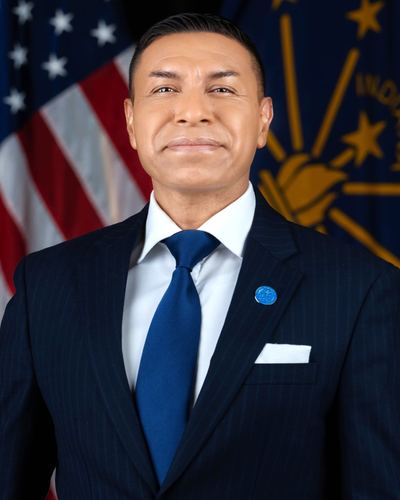
2026 is different, because Diego Morales has made it different.
The incumbent has accumulated a record that would be remarkable for a politician twice his tenure: a candidacy filing error that affected 800+ candidates statewide, a campaign video that got him banned from the Marion County Election Center and referred to the Inspector General for potential ethics violations, a brother-in-law hired at $108,000, over $308,000 in spot bonuses distributed to staff, a $48,000 vehicle purchase, and overseas travel to India and Hungary on outside funding. A bipartisan House Ways and Means Committee hearing scrutinized his office's finances. Even Republican legislators in his own party's supermajority raised alarm. His response: "I will not apologize to anyone because my work ethic is unmatched."
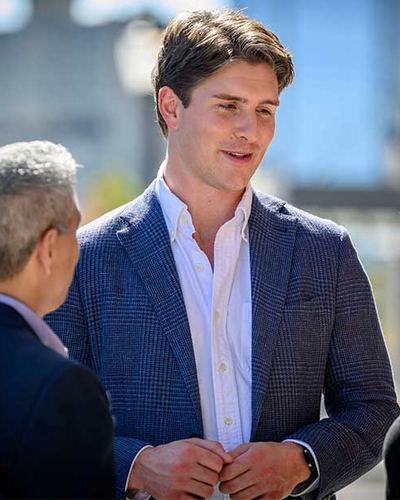
Beau Bayh is the Democratic challenger, and the name does most of the work: grandson of Senator Birch Bayh (who authored the 25th and 26th Amendments and Title IX), son of Governor and Senator Evan Bayh. He's 30, a Marine veteran, a University of Virginia law graduate. He has never held elected office. He has $1.8 million in fundraising — more than any non-congressional Indiana Democrat has raised for a down-ballot statewide race in recent memory. VoteVets is backing him nationally.
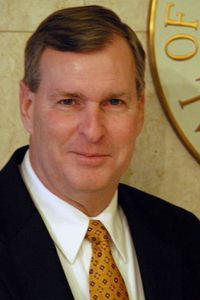
Then there's Greg Ballard. The former Republican mayor of Indianapolis — the man who upset a two-term Democratic incumbent in 2007, governed for eight years without scandal, then moved to South Carolina — came back to file as an independent under a self-created "Lincoln Party" banner. His pitch: both parties are broken. His problem: Indiana has no ranked-choice voting, no fusion tickets, and almost no infrastructure for independent candidacies. Third-party statewide candidates in Indiana typically pull 2-4%. Ballard needs to rewrite that math.